1-800-709-0906 or 604-277-5855 info@sostech.ca
Celebrating Mental Health Awareness Month in Canada

Celebrating Mental Health Awareness Month in Canada

Celebrating Mental Health Awareness Month in Canada

May is Mental Health Awareness Month in Canada, a time for fostering understanding, promoting resilience, and raising awareness about the importance of mental well-being for all Canadians. Mental health, often misconstrued and stigmatized, is fundamental to our overall health. It’s essential to acknowledge that mental health affects everyone, irrespective of age, background, or status, and to dismantle the societal barriers and stereotypes that prevent people from seeking the help they need.

Understanding Mental Health

Understanding mental health is the first step in celebrating Mental Health Awareness month meaningfully. Mental health refers to our cognitive, emotional, and social well-being and influences how we think, feel, and act. It includes our ability to handle stress, relate to others, make decisions, and enjoy life.

Mental health is just as critical as physical health – in fact, they’re deeply intertwined. Unfortunately, the stigma surrounding mental health often keeps it out of our daily conversations. But during Mental Health Awareness Month, we shine a spotlight on these issues and work to foster an environment where everyone feels comfortable discussing their mental health openly.

Recognizing Mental Health Issues

Mental health issues come in many shapes and sizes, and they’re more common than many of us realize. In Canada, 1 in 5 people will experience a mental illness or mental health issue in any given year. Conditions like depression, anxiety, bipolar disorder, schizophrenia, and post-traumatic stress disorder can deeply affect individuals and families, leading to emotional pain, social isolation, and even physical health problems.

Many times, these conditions go undiagnosed or untreated due to stigma or lack of awareness. That’s why Mental Health Awareness Month is so important—it’s a chance to learn about these conditions, recognize their signs, and understand that it’s okay to seek help.

Promoting Awareness and Compassion

Celebrating Mental Health Awareness Month isn’t just about understanding and fostering our mental health—it’s also about supporting others in their journey. Compassion plays a significant role in this. Whether it’s reaching out to a friend who’s struggling, advocating for mental health resources in your community, or simply learning more about mental health to become a more empathetic listener, every act of compassion contributes to a more understanding and supportive society.

In Canada, numerous resources are available for those who are struggling. Crisis Services Canada, the Canadian Mental Health Association, and regional health services all offer mental health support. Remember, it’s okay to ask for help, and it’s okay to encourage others to do the same.

Canada will be getting a three-digit number (9-8-8) for suicide prevention on November 30, 2023. If you’d like to know more about this, please visit the Government of Canada website. If you are in Canada and need help now, please continue to call 1.833.456.4566 any time, or text 45645 between 4 p.m. and midnight ET.

Busting Stigma

The stigma surrounding mental health can create significant obstacles for those who need help. During Mental Health Awareness Month, we can challenge these damaging attitudes by talking openly about mental health, sharing our stories, and showing our support for those living with mental health issues. When we normalize these conversations, we empower others to seek help without fear of judgment.

Shifting the Spotlight to Workplace Mental Health

As we continue our conversation on mental health, it’s vital to turn our attention to an area that significantly impacts our daily lives—the workplace. Our jobs often demand a significant portion of our time and energy, making workplace mental health a key aspect of our overall mental well-being.

It’s crucial to foster a workplace culture where mental health is valued and promoted. Employers can take proactive steps, such as providing mental health resources, training managers to recognize and respond to mental health issues, and implementing policies that promote a healthy work-life balance. Regular breaks, flexible schedules, and an open and supportive environment can all contribute to better mental health at work.

Employees, on the other hand, can make a difference by advocating for their mental health needs, utilizing available resources, and supporting their colleagues. Remember, mental health issues are nothing to be ashamed of, and seeking help is a sign of strength, not weakness.

As we mark Mental Health Awareness Month, let’s strive to make our workplaces a safe and supportive space for mental health. After all, a mentally healthy workplace is not only good for individuals but also leads to increased productivity and engagement, benefiting the organization as a whole.

Involvement and Advocacy

Lastly, use this month as an opportunity to get involved. Support mental health organizations, participate in local events or online discussions, and advocate for better mental health services in your community. Small actions can lead to significant changes, and everyone has a role to play in promoting mental health awareness.

As we celebrate Mental Health Awareness Month, let’s remember that mental health isn’t a destination, but a journey. Each step forward, no matter how small, is progress. Let’s continue the conversation, break down barriers, and work together to create a society where mental health is recognized, understood, and prioritized.

In the spirit of resilience and empowerment, here’s to a hopeful and enlightening Mental Health Awareness Month!

In addition to Mental Health Awareness Month, visit our blog about: The Basic Importance of Mental Health in the Workplace

Included in our OHS Programs are an Introduction to Mental Health Awareness and Mental Health First Aid Training.

Click the links below for more information.

SOS Oxygen & OHS Programs for:
Alberta
British Columbia – Mental Health First Aid Awareness

Our SOS Online Wellness courses:
Wellness Courses

Check out our Mental Health First Aid video on YouTube.

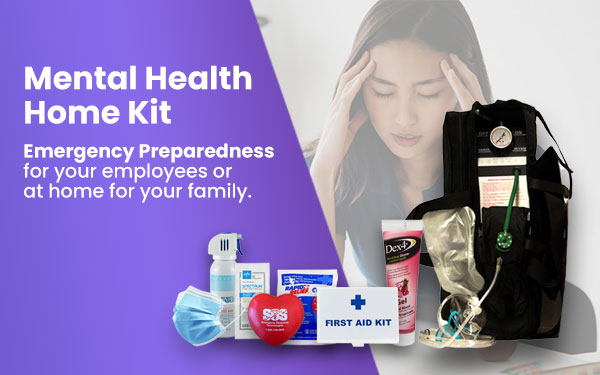
Ask us about our Mental Health Home Package today!
Mental Health Awareness Month

NAOSH Week and Strengthening Workplace Safety | May 1-6

NAOSH Week and Strengthening Workplace Safety | May 1-6

The history of NAOSH Week

NAOSH (North American Occupational Safety and Health) Week has a long and rich history of promoting workplace safety in North America. The event was first established in 1997 as a joint initiative between the Canadian Society of Safety Engineering (CSSE) and the American Society of Safety Professionals (ASSP). The goal was to raise awareness about the importance of occupational health and safety, and to promote best practices for preventing accidents and injuries in the workplace.

When is NAOSH Week?

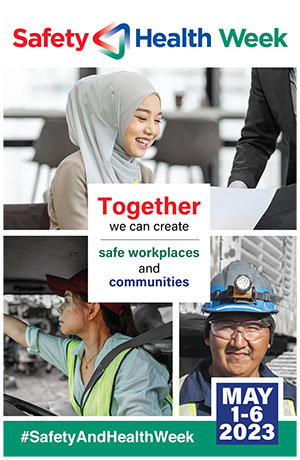
NAOSH Week is held annually in the first full week of May. This year it is held, May 01–06, 2023, All across Canada and the United States. 

The Importance of NAOSH Week

The benefits of NAOSH Week are many and far-reaching.  The event brings together employers, employees, safety professionals, and others to share knowledge and experiences, and to develop new strategies and initiatives for improving workplace safety. This collaborative approach to safety can help to identify potential hazards and develop effective solutions to address them, ultimately creating a safer and healthier work environment for all.

Here are just a few of the key benefits of NAOSH Week:

Raises Awareness: Helps to raise awareness about the importance of workplace safety and health. This can help to encourage employees to take safety seriously and to adopt safe behaviors on the job.

Promotes Best Practices: Employers and employees have the opportunity to learn about best practices for preventing accidents and injuries in the workplace. This can help to ensure that everyone has the knowledge and skills they need to stay safe on the job.

Encourages Collaboration: Provides an opportunity for employers, employees, and safety organizations to come together to focus on workplace safety. This collaboration can help to build stronger relationships, create a culture of safety, and promote a safer work environment for all.

Reduces Accidents and Injuries: By raising awareness and promoting best practices, NAOSH Week can help to reduce the number of accidents and injuries that occur in the workplace. This can result in a safer work environment, lower costs for employers, and improved health and well-being for employees.


NAOSH Week May 1-6 2023What activities take place during NAOSH Week?

NAOSH Week events and activities can vary depending on the organization or industry, but some common activities include:

Safety training and workshops: Many companies and organizations use NAOSH Week as an opportunity to provide safety training and workshops for their employees. These may cover topics such as hazard identification, emergency preparedness, and best practices for preventing workplace injuries.

Safety awareness campaigns: Some organizations use NAOSH Week to launch safety awareness campaigns, such as posters or social media campaigns that promote workplace safety messages.

Download the Tools & Resources directly from here: Tools and Resources

Safety inspections and audits: NAOSH Week can also be a good time for companies to conduct safety inspections and audits to identify potential hazards and ensure that safety protocols are being followed.

Safety contests and challenges: Some organizations use NAOSH Week to engage employees in safety-related contests or challenges. For example, a workplace might challenge employees to come up with the most creative safety slogan or to identify the most hazards in a simulated workplace.


NAOSH Week is a valuable opportunity for organizations to prioritize workplace safety and promote a culture of safety across North America. By emphasizing the importance of first aid training, first aid supplies, and implementing OHS programs, organizations can take concrete steps to prevent accidents and injuries in the workplace, and create a safer and healthier environment for all employees.  #WorkSafeBC

SOS Emergency Response Technologies
First Aid Supplies

First Aid Training for:
Alberta
British Columbia

Find Safety and Health Week events to attend or to help inspire your own event ideas at: safetyandhealthweek.ca

5 Ultimate Tips – Emergency Preparedness for Traveling

5 Ultimate Tips – Emergency Preparedness for Traveling

5 Ultimate Tips for Emergency Preparedness for Traveling

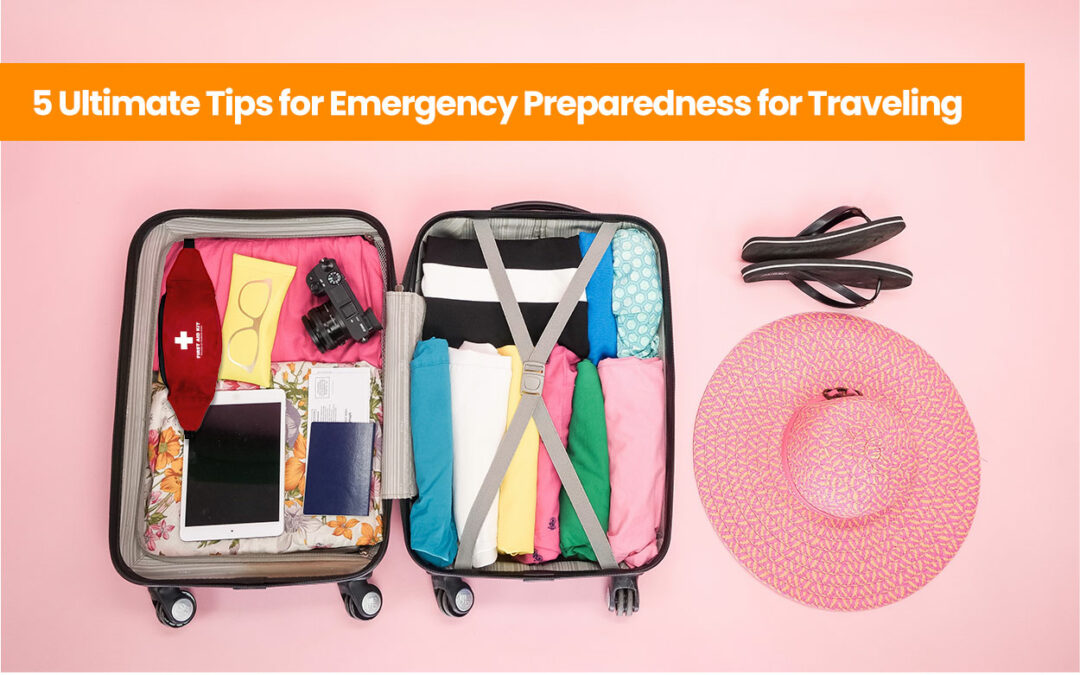
Traveling is an adventure that can be unpredictable, and sometimes things don’t go as planned. To ensure that you have a stress-free trip, it’s important to be prepared for anything that might come your way. Here are 5 Ultimate Tips for emergency preparedness for traveling and how to be prepared for anything while traveling.

Emergency Preparedness While TravelingBut first a case study!

Imagine you’re on a plane, excitedly anticipating your vacation destination. The captain announces that you’ll be landing in just a few minutes. But suddenly, the plane’s engines roar as the pilot abruptly pulls up, and you hear the sound of the landing gear retracting.

You’re confused and a little scared as you feel the plane ascending instead of descending towards the runway. Then, the captain explains that there has been an earthquake in the area, and the airport control tower has suspended all landings until further notice.

Finally after flying around the airport, the pilot receives the clearance to land and that all is well. Apparently, earthquakes are a regular occurrence in that region.

Great! You’ve picked an earthquake prone destination for your vacation.

How can you prepare? 


Emergency Preparedness Plan While Traveling1. Create an Emergency Preparedness Plan
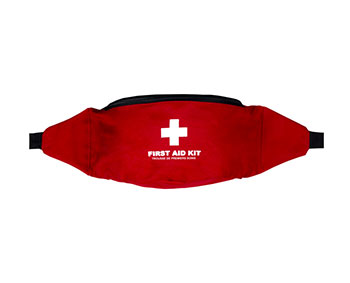
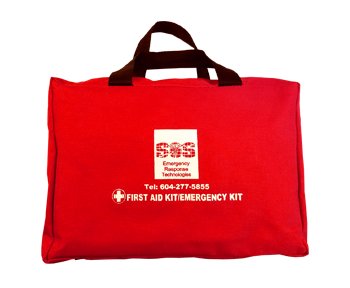

Having a well-thought-out emergency preparedness plan is crucial for ensuring your safety during unforeseen circumstances. Consider different scenarios and how you would react to them. Make a list of essential emergency contacts, both at home and at your destination, and share your travel plans with friends or family members

TIP: Using a checklist when creating your emergency preparedness plan is one of the best and organized ways to make sure you cover all the important bases, so
you don’t miss any key details.


2. Research Your Destination


Before embarking on your trip, it’s important to research your destination thoroughly. This will help you prepare for any possible challenges you might face. Some things you can research include the weather, local customs, culture, and language. Knowing what to expect will help you pack the right clothing, plan your activities, and avoid any potential mishaps. Prior to your trip, get travel advice and advisories by destination from the Government of Canada here.

TIP: Sign up for government alerts: Many countries have official alert systems that provide warnings for emergencies, natural disasters, and severe weather. Research your destination’s system and register for notifications via text message or email and add it to your plan.


Emergency Preparedness First Aid Kit While Traveling3. Pack a First Aid Kit


A basic first aid kit should include items such as band-aids, adhesive tape, gauze pads, and antiseptic. These items will help you treat cuts, scrapes, and other minor wounds. Additionally, it’s important to include pain relievers such as ibuprofen or acetaminophen, which can help alleviate headaches, muscle aches, and other common ailments. Additionally, it’s important to pack any prescription medications in your carry-on bag, along with a copy of your prescription, in case your luggage gets lost.

TIP: If an earthquake should occur you will have your own first aid kit to treat yourself, family or anyone needing help of any injuries, while others may not have access to one during or after the disaster. 


4. The Emergency Preparedness for Traveling Kit


Emergency Kit While Traveling

When it comes to emergency preparedness for traveling, having an emergency kit with essential items can make a significant difference in an unexpected situation. We know that when traveling you are limited to what you can pack in your luggage. But by planning ahead you can create a basic and compact version of what you might have available to you if you were at home.

Some important items to include in an emergency kit are non-perishable food items such as granola bars, trail mix, and powdered drink mixes, emergency water pouches as well as water treatment tablets or a small portable water filtration system. You can also purchase food items at your destination to keep in your room or with you in a bag.

TIP: Include an emergency lightstick that is lightweight for packing and doesn’t require batteries, a multi-purpose tool, and a whistle for a signaling device to help you navigate and communicate in an emergency.


5. Research Local Emergency Services


Preparing for a trip involves much more than just packing your bags and booking accommodations. It’s essential to take precautions and plan ahead for unexpected situations, especially emergencies. Before embarking on your journey, it’s wise to research the local emergency services available in the area where you’ll be staying. This includes identifying the nearest hospital, police station, and embassy. In case of an emergency, knowing where to go and who to contact can make all the difference in ensuring your safety and wellbeing

TIP: Make copies of your important travel documents such as your passport, visa, and itinerary. Keep a physical copy with you and also scan and email yourself a digital copy that you can access from anywhere with an internet connection. If traveling internationally, know where the local embassy for your home country is located, they can provide additional information in the event of an emergency.


Summary: Keep and Open Mind


It’s important to keep an open mind while traveling. Things might not always go as planned, but having a positive attitude and having an emergency preparedness for traveling plan can help you make the most of any situation.

BONUS TIP: Visit tourist information centers: Upon arrival, visit a local tourist information center to gather valuable resources and ask staff members about any current alerts or warnings. They can also provide recommendations on staying safe and informed during your stay.


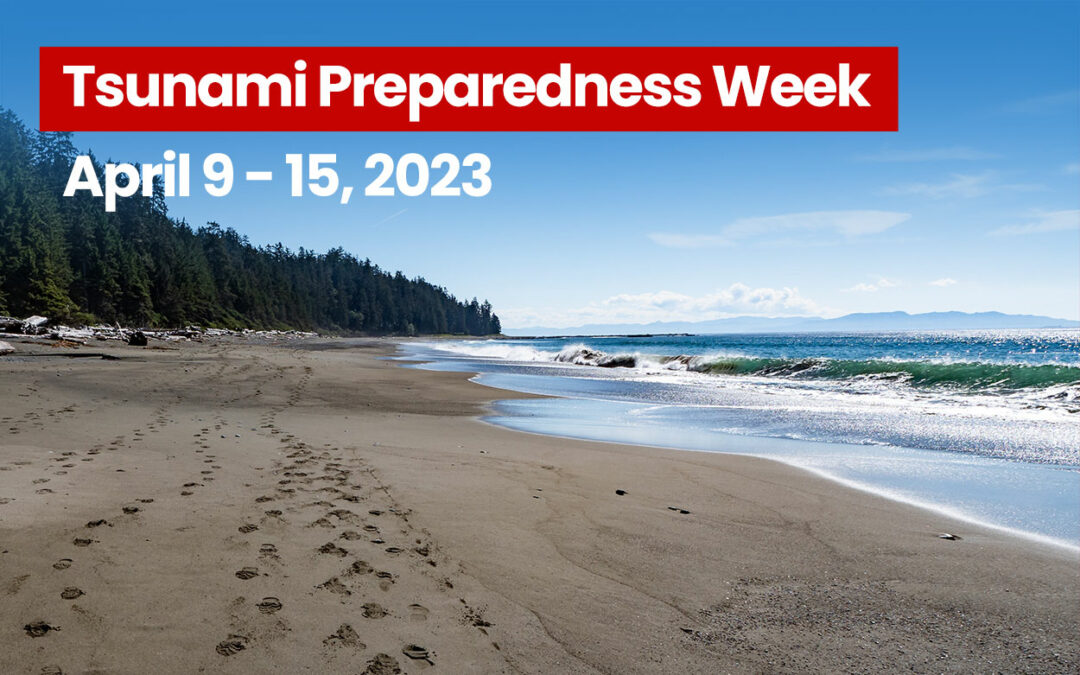
Tsunami Preparedness Week April 9 – 15, 2023

Tsunami Preparedness Week April 9 – 15, 2023

Tsunami Preparedness Week – Be Tsunami Smart

Tsunami Preparedness Week British Columbia Richmond BC Vancouver BC Vancouver IslandDuring Tsunami Preparedness Week in British Columbia, various activities are organized to educate people about the warning signs of a tsunami and the necessary steps to take in case of an emergency. These may include public information sessions, evacuation drills, and social media campaigns to spread awareness. It is important for everyone living in coastal areas to be prepared and informed about tsunamis, as they can strike without warning and have devastating effects on communities.
   

Understanding Tsunamis

What Are Tsunamis and how do they occur?

A tsunami is a series of ocean waves that are caused by large disturbances, such as earthquakes, volcanic eruptions, or meteor impacts, but the most common cause is an underwater earthquake. These waves can reach great heights and travel great distances, making them extremely dangerous to people living in coastal areas. The size and strength of a tsunami depend on several factors, including the magnitude of the earthquake and the depth and location of the underwater disturbance.

Tsunami Preparedness Week

Develop a Plan

Developing a tsunami preparedness plan is crucial to staying safe during a tsunami. The plan should include evacuation procedures, communication methods, and emergency supplies. All members of the household should be aware of the plan and understand what to do in the event of a tsunami.

Learn the Warning Signs

Learning the warning signs of a tsunami can save lives. Tsunami warning signs include strong earthquake activity, a sudden rise or fall in sea level, and a loud roar from the ocean. It’s essential to stay informed of any tsunami warnings and follow any instructions given by local authorities.

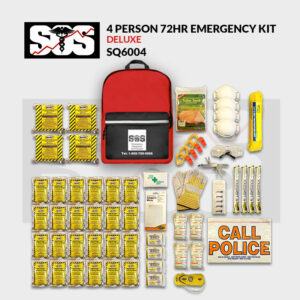
72 Hour Emergency Kit Tsunami Preparedness WeekEmergency Supplies

It’s important to have a 72 Hour Emergency Kit with essential items such as food, water, portable power, communications, basic personal protection items, a First Aid Kit, and emergency contact information. The emergency kit should be easily accessible and ready to grab-n-go!

What to Do During a Tsunami

Evacuation Procedures

When a tsunami warning is issued, it’s essential to evacuate as quickly as possible. Follow any instructions given by local authorities and head to higher ground or inland immediately. Do not wait to see the tsunami or try to gather belongings.


Stay Safe Indoors

If evacuation is not possible, it’s essential to stay safe indoors. Move to higher floors or the roof of a sturdy building, and stay away from windows and doors. Do not use elevators and avoid rooms with heavy objects that could fall.

Stay Away from Shorelines and Low-Lying Areas

During a tsunami, it is essential to stay away from shorelines and low-lying areas. Tsunamis can cause dangerous and unpredictable currents, debris, and flooding, which can pose a significant risk to individuals. Even if you are a strong swimmer, it is best to avoid going near the water during a tsunami warning.

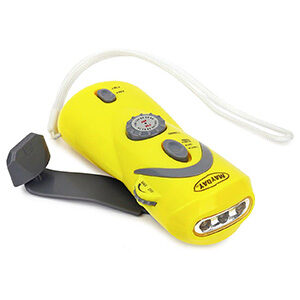
Emergency Radio Tsunami Preparedness WeekStay Informed

It is important to stay informed about any tsunami warnings or alerts. Listen to local news and radio broadcasts, and follow any instructions given by local authorities. Keep your phone charged and within reach to receive any updates or emergency alerts.

Check for Injuries

After a tsunami, check yourself and others for injuries. If you are injured, seek medical attention immediately. If someone is injured, provide first aid if you are trained to do so, and call for emergency medical assistance.

Be Patient

Recovery after a tsunami can take time, so it is important to be patient. Listen to local authorities for updates on the situation and follow any instructions given. Do not return to your home or community until it is deemed safe to do so.

Developing a tsunami preparedness plan, learning warning signs, and evacuating to a safe location as quickly as possible are crucial steps to take to stay safe during a tsunami. After a tsunami, it is important to assess the damage, follow safety precautions, and be patient during the recovery process.

Community Support

You can play an active role in creating a safer and more resilient community. Remember, every action, no matter how small, can make a significant difference in saving lives during a tsunami. So, let’s come together and help spread the word about Tsunami Preparedness Week to ensure that our communities are prepared for any future tsunami disasters.

Check out the Tsunami Preparedness Week High Ground Hike 2023 community event.

Back to School – Emergency Preparedness

Back to School – Emergency Preparedness

Every year at this time of year we hear from schools, daycares and parents inquiring about what should be in a comfort kit. Ensuring your child has what they need in the event of an emergency does not need to be overwhelming, costly or time consuming. However, it is of the upmost importance that their comfort kit does not exist of granola bars and apple juice. After all, who wants to deal with a hyped up sugar kid in an emergency situation. Comfort kits can be used in any emergency situation. Power outage, evacuation, flood and even an earthquake. Currently, daycares and elementary schools request that parents provide kits but increasingly high school students should be prepared as well (my daughter high-school was on lock-down for 7 hours 2 years ago). High school students can leave their comfort kit in their locker or carry it in their backpack. Alternatively, PAC’s can encourage high-schools to store these kits in the homeroom classroom.

The SOS 72 hour Child Comfort Kit has everything your child needs in a Ziploc bag:

  • Emergency Food Rations
  • Emergency water packages
  • 12hr emergency light stick
  • Solar blanket
  • poncho