1-800-709-0906 or 604-277-5855 info@sostech.ca
Why Every Workplace, School and Home Needs an Earthquake Plan

Why Every Workplace, School and Home Needs an Earthquake Plan

Why Every Workplace, School and Home Needs an Earthquake Plan

Earthquakes can happen without warning. When the ground begins to move, there may only be a few seconds to react and protect yourself.

The Great British Columbia ShakeOut gives workplaces, schools, families and community organizations an opportunity to practise the correct earthquake response before a real emergency occurs.

The 2026 Great British Columbia ShakeOut takes place on Thursday, October 15 at 10:15 a.m. Participants throughout the province will practise how to Drop, Cover and Hold On while reviewing the emergency plans, supplies and procedures they may need following a damaging earthquake.

Participating in the drill only takes about one minute, but the preparation behind it can make a lasting difference.

Why Earthquake Preparedness Matters in British Columbia
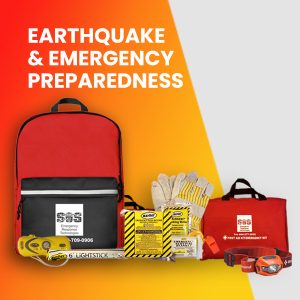
Earthquake Kits & Emergency Preparedness Kits Vancouver BC Richmond BCBritish Columbia is the most seismically active region in Canada and experiences thousands of minor earthquakes each year. Although many are too small to be felt, earthquakes capable of causing structural damage remain a serious risk, particularly along the west coast. Coastal communities may also face the additional danger of a tsunami following a major undersea earthquake.

Earthquakes cannot be reliably predicted. The first warning may be an emergency alert, a loud sound or the sudden movement of the ground. Strong shaking can damage roads, interrupt utilities, disrupt communications and make it difficult for emergency responders to reach every affected location immediately.

An emergency plan helps people understand what to do, where to go, how to communicate and who is responsible for critical tasks.

What Is the Great British Columbia ShakeOut?

The Great British Columbia ShakeOut is an annual earthquake drill organized by the British Columbia Earthquake Alliance.

The drill teaches participants to:

  • Drop to their hands and knees before the shaking knocks them down.
  • Cover their head and neck and, when possible, take shelter under a sturdy desk or table.
  • Hold On to the shelter until the shaking stops.People inside a building should not run outdoors during the shaking. Moving through a building can increase the risk of being injured by falling glass, furniture, fixtures or other debris. Doorways are also not considered safer than other areas in most modern buildings.

The purpose of ShakeOutBC extends beyond practising these three actions. Participants are encouraged to inspect their surroundings, secure potential hazards, review emergency procedures and confirm that their supplies are complete and accessible.

Why Every Workplace Should Have an Earthquake Plan

A workplace emergency plan creates a clear and organized response when employees may be under significant stress.
WorkSafeBC advises employers to assess the emergencies most likely to affect their workplace and prepare workers to respond. An effective workplace emergency plan should identify hazards, establish procedures and clarify responsibilities before an emergency happens.

A workplace earthquake plan should address:

  • How employees will receive emergency instructions
  • Safe areas where workers can Drop, Cover and Hold On
  • Procedures for accounting for employees and visitors
  • Designated assembly locations
  • First aid responsibilities
  • Communication with remote and mobile employees
  • Assistance for people with disabilities or mobility limitations
  • Utility shutdown procedures, where applicable
  • Alternate evacuation routes
  • Emergency supplies for employees who may need to remain onsite
  • Employers should also inspect shelving, cabinets, storage areas, equipment and overhead fixtures. Heavy objects and materials that could fall or move during an earthquake should be secured whenever possible.

The ShakeOut drill can be used to identify problems that may not be obvious in a written plan. Employees may discover that an assembly area is unsuitable, contact information is outdated or emergency supplies are difficult to access.
Finding these weaknesses during a drill provides an opportunity to correct them before a real emergency.

Why Schools Need to Practice Earthquake Procedures

Schools must be prepared to protect students, teachers, support staff and visitors during and after an earthquake.
Children may be frightened or confused when shaking begins. Regular drills help earthquake safety actions become familiar, reducing hesitation and helping students follow instructions.

A school earthquake plan should include:

  • Age-appropriate Drop, Cover and Hold On instructions
  • Classroom emergency procedures
  • Student attendance and accountability systems
  • Emergency contact information
  • Controlled student-release procedures
  • Plans for students requiring additional assistance
  • Classroom grab-and-go bags
  • First aid supplies and trained personnel
  • Communication procedures for parents and guardians
  • Alternate assembly areas if the primary location is unsafe
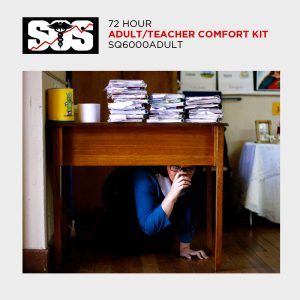
Schools should also make sure parents understand how students will be cared for and released following an emergency. Families should know who is authorized to pick up each child and should avoid relying entirely on mobile phone service, which may be interrupted or overloaded.

ShakeOutBC provides drill materials for schools, childcare centres, colleges and universities, including downloadable recordings, posters and school-specific planning resources.

Why Every Household Needs an Emergency Plan

Earthquake preparedness at home involves more than storing food and water.
Family members may be at work, school, daycare or another location when an earthquake happens. A household emergency plan should explain how everyone will reconnect if normal transportation and communication systems are unavailable.

Your home emergency plan should identify:

  • Safe locations in every room
  • A nearby meeting place
  • An alternate meeting place outside the neighbourhood
  • An out-of-area emergency contact
  • School and childcare pickup arrangements
  • Plans for pets and service animals
  • Medical, mobility and accessibility requirements
  • Utility shutoff locations
  • Evacuation routes
  • The location of emergency kits and grab-and-go bags

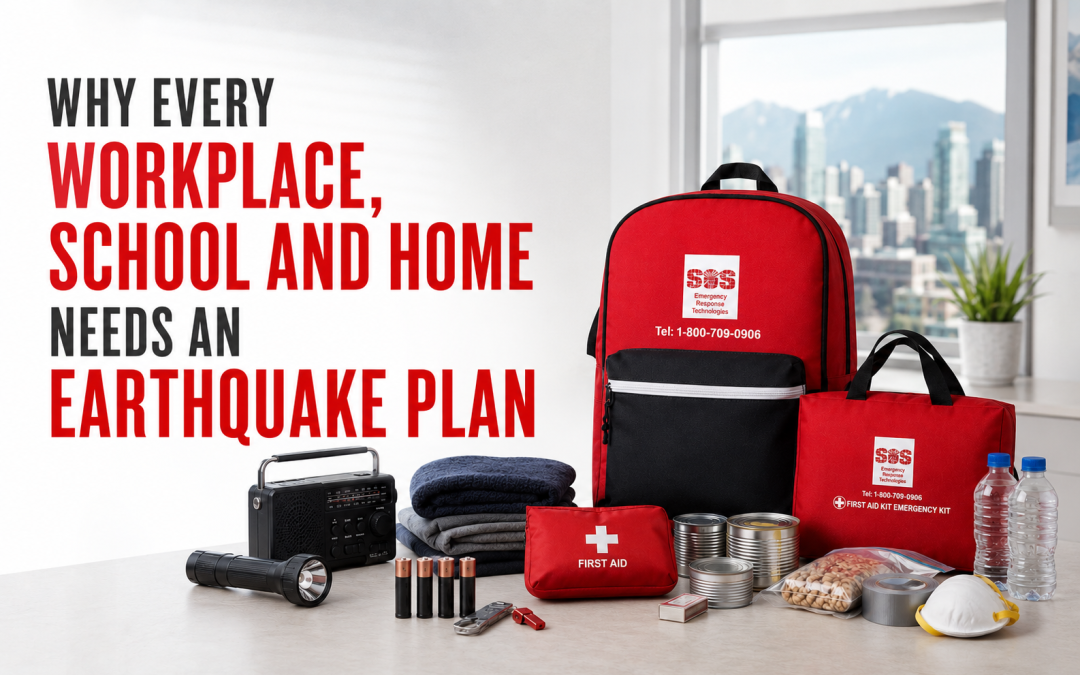
PreparedBC recommends keeping emergency supplies that can support your household for at least three days. Grab-and-go bags should also be considered for your home, workplace and vehicle. Supplies may include water, non-perishable food, medications, flashlights, batteries, a radio, first aid supplies, personal hygiene products and copies of important information.

Plans should be reviewed at least once a year and whenever there is a major change, such as moving, changing jobs, attending a new school or adding a pet to the household.

How to Participate in the 2026 Great British Columbia ShakeOut


Participating is simple and registration is free. REGISTER BY CLICKING HERE

Before October 15:

  • Register your workplace, school, household or organization
  • Download the ShakeOutBC drill recording in advance
  • Tell employees, students or family members when the drill will happen
  • Identify safe places to take cover
  • Review emergency roles and communication procedures
  • Inspect emergency kits and replace expired supplies
  • Secure furniture, shelving and other potential hazards

At 10:15 a.m. on October 15, 2026, begin the drill and practice Drop, Cover and Hold On.
While under cover, look around and consider what could fall, break or block an exit during a real earthquake. After the simulated shaking stops, discuss what participants would do next.

Depending on the location, the exercise may also include first aid procedures, employee or student accountability and movement to a designated assembly area.

Turn the ShakeOut Drill Into a Complete Preparedness Review


The Great British Columbia ShakeOut should be treated as the beginning of an emergency-preparedness conversation rather than a once-a-year activity.

After the drill, ask:

  • Did everyone know what to do?
  • Were safe cover locations available?
  • Could exits become blocked?
  • Were emergency supplies easy to reach?
  • Was everyone accounted for?
  • Did the communication plan work?
  • Were accessibility needs properly addressed?
  • Does anyone require additional first aid or emergency-response training?
  • Are supplies current, complete and appropriate for the number of people onsite?

Document the results and assign responsibility for correcting any problems. A drill becomes far more valuable when the lessons learned result in practical improvements.

Build a Safer and More Prepared Environment

Emergency preparedness cannot prevent an earthquake, but it can reduce confusion, improve response times and help protect the people who depend on your organization or household.

SOS Emergency Response Technologies helps workplaces, schools and organizations strengthen their emergency readiness with first aid supplies, emergency preparedness products, workplace safety solutions and scheduled service programs.

Use the Great British Columbia ShakeOut as an opportunity to review your emergency plan, inspect your supplies and make sure everyone knows how to respond.

Do not wait for the ground to shake before discovering that your plan is incomplete.

Frequently Asked Questions

When is the Great British Columbia ShakeOut in 2026?

The 2026 Great British Columbia ShakeOut takes place on Thursday, October 15 at 10:15 a.m. The provincewide drill is normally held on the third Thursday of October.

What should you do during an earthquake?

Immediately Drop to your hands and knees, Cover your head and neck under sturdy furniture when possible, and Hold On until the shaking stops. Do not run outside while the ground is shaking.

Can workplaces and schools participate in ShakeOutBC?

Yes. Businesses, schools, childcare centres, post-secondary institutions, families, community groups and individuals can register and participate.

What supplies should be included in an earthquake kit?

An emergency kit should include water, non-perishable food, a first aid kit, medications, flashlights, batteries, a radio, personal hygiene products and important contact information. Supplies should be customized for the people, workplace or school they are intended to support.

How often should an earthquake plan be reviewed?

Emergency plans should be reviewed at least annually and after major changes to the workplace, school or household. Conducting regular drills helps confirm whether the plan will work in a real emergency.
Emergency Preparedness for the Holidays

Emergency Preparedness for the Holidays

Emergency Preparedness for the Holidays

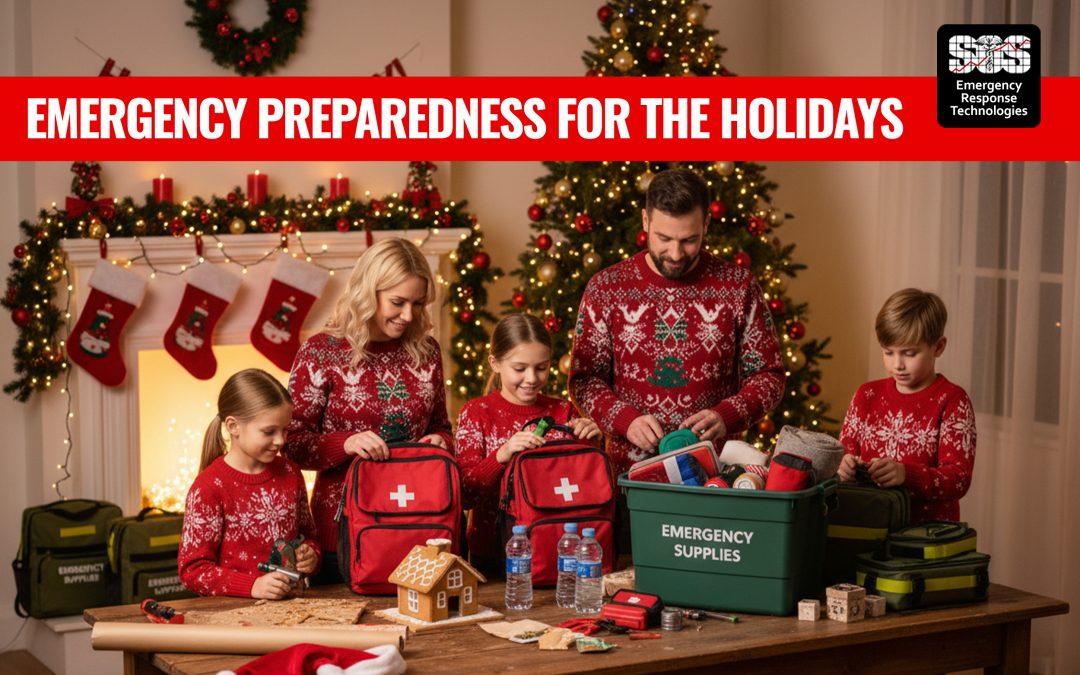
Emergency preparedness for the holidays is more important than ever. With families decorating homes, hosting gatherings, traveling long distances, and using more electrical devices, the risk of fire, injury, and seasonal emergencies increases significantly. Winter storms, power outages, cooking hazards, and overloaded circuits all become common this time of year. Taking proactive steps now will protect your home, your loved ones, and your peace of mind throughout the festive season.

This guide provides expert-level emergency preparedness strategies for the holidays, along with trusted product links from SOS Emergency Response Technologies to help you stay fully equipped and ready.

Why Emergency Preparedness Matters During the Holidays

The holiday season creates a unique combination of increased home activity, added electrical usage, winter weather instability, and more time spent traveling. These factors raise the likelihood of:

  • House fires
  • Electrical hazards
  • Slip and fall injuries
  • Cooking accidents
  • Vehicle breakdowns
  • Winter power outages
  • Weather-related emergencies

Being prepared means having the right equipment, training, and emergency supplies on hand – long before an incident occurs.

Smoke Alarms and Electrical Safety

Fire emergencies spike in December due to decorative lighting, space heaters, candles, and increased cooking. Strengthening your home’s fire-prevention and detection systems is the foundation of holiday emergency preparedness.

Key Safety Tips

  • Install and maintain smoke alarms on every level of your home. Test monthly and replace alarms every 10 years.
  • Never overload power strips or extension cords with holiday lights or appliances.
  • Inspect all indoor and outdoor light strings before use and discard damaged sets
  • Keep real Christmas trees hydrated and away from heat sources.
  • Turn off all lights and decorations before bed or leaving home.

Fire Extinguishers and Fire Blankets

Holiday cooking and electrical use dramatically increase the risk of small home fires. Having fast-response fire tools nearby is essential.

Recommended Practices

  • Keep an ABC-rated fire extinguisher in high-risk areas such as the kitchen and main living space.
  • Ensure everyone knows how to use it (Pull, Aim, Squeeze, Sweep).
  • A fire blanket is a reliable, low-mess tool for extinguishing small stovetop fires or smothering flames.

Fire safety tools from SOS: https://sostech.ca/product-category/fire-safety/


First Aid Kits: Immediate Response for Seasonal Injuries

With more decorating, cooking, gift-wrapping, and winter activity, minor injuries are extremely common during the holidays.

First Aid Preparedness Tips
Keep a fully stocked first aid kit accessible in your home.

SOS first aid kits: https://sostech.ca/product-category/first-aid-kits/

  • Stock essentials such as bandages, antiseptic wipes, gauze, tape, gloves, scissors, tweezers, and burn dressings.
  • Restock items annually or after use.

The Value of Training

A well-built kit is essential — but a little first aid training goes a long way, especially during the holidays.

Get certified through SOS First Aid Training programs:
Alberta: https://sostech.ca/sos-workplace-ohs-ppe-program-alberta/
British Columbia: https://sostech.ca/sos-workplace-ohs-ppe-program-bc/

WorkSafeBC-approved training helps you respond confidently to choking, burns, bleeding, cardiac emergencies, and workplace incidents.


72-Hour Emergency Kits: Essential for Holiday and Winter Preparedness

Winter outages and severe weather events can leave households without power, heat, or access to supplies for days. A 72-hour emergency kit ensures your family stays safe and self-sufficient.

What to Include:

  • Water and non-perishable food
  • Flashlights and batteries
  • Blankets and warm clothing
  • Emergency radio
  • Hygiene supplies
  • Basic tools and gloves
  • Personal items and medications

SOS 72-hour emergency kits (ready-made options): https://sostech.ca/product-category/emergency-kits/

These professionally curated kits meet industry standards and offer peace of mind throughout the winter season.


Vehicle Emergency Kits for Holiday Travel

Holiday travel increases the risk of accidents, breakdowns, and severe weather complications. Every vehicle should carry an emergency auto kit.

Auto Safety Essentials:

  • Jumper cables
  • Flashlight and spare batteries
  • Water and non-perishable snacks
  • Emergency blanket
  • First aid kit
  • Reflective warning devices
  • Ice scraper and gloves

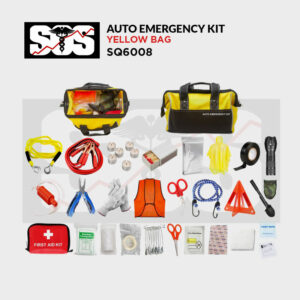
Auto emergency kits from SOS:  https://sostech.ca/product/auto-emergency-kit-sq6008/

Having these supplies on hand ensures you are prepared for roadside emergencies, winter delays, and unexpected travel issues.


Holiday Emergency Preparedness Checklist

Holiday travel increases the risk of accidents, breakdowns, and severe weather complications. Every vehicle should carry an emergency auto kit.

To stay fully prepared for the holidays, ensure you have:

  • Working smoke alarms and electrical safety measures
  • Fire extinguishers and fire blankets in key areas
  • A complete first aid kit and basic first aid training
  • A 72-hour emergency preparedness kit
  • A vehicle emergency kit for winter travel
  • A family emergency plan and clear communication strategy


Make Emergency Preparedness a Holiday Priority

Emergency preparedness for the holidays is not just a recommendation – it is a critical responsibility for every household. With proper planning, certified training, and the right emergency supplies, you can greatly reduce risks and ensure a safe and resilient festive season.

For industry-trusted emergency kits, first aid supplies, smoke alarms, and certified training, visit:
https://sostech.ca/

Back to School Emergency Preparedness 2025

Back to School Emergency Preparedness 2025

Back to School Emergency Preparedness 2025-2026

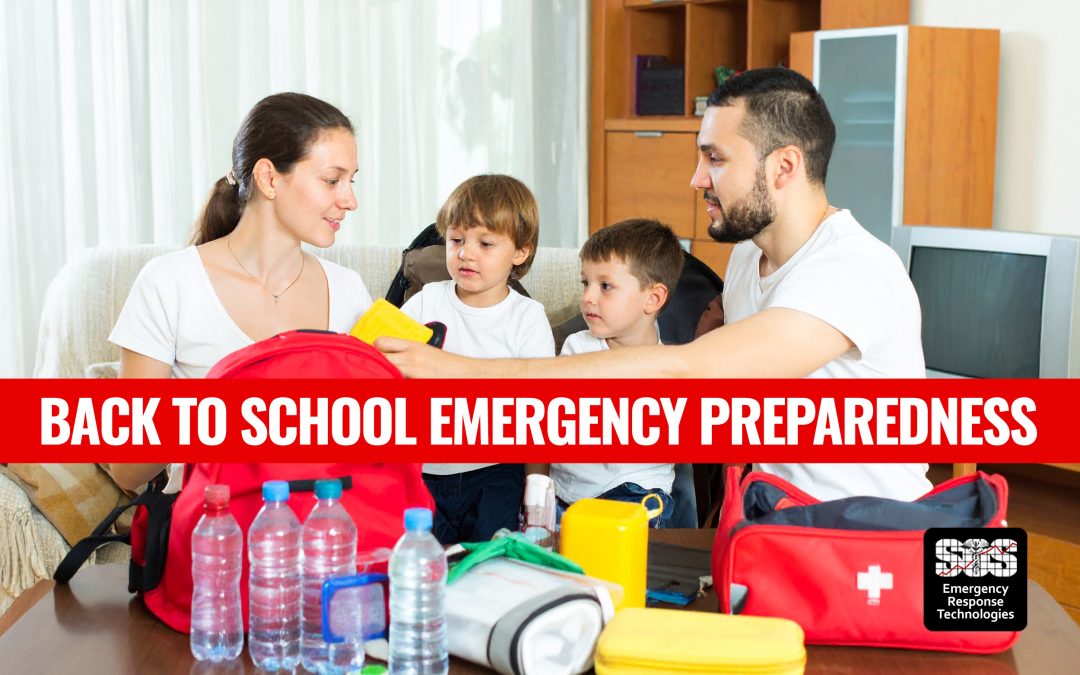
As the 2025–2026 school year begins, emergency preparedness isn’t just essential for schools—it’s just as critical at home and in the workplace. Whether you’re a parent, school staff member, or business owner, having a well-stocked emergency kit and a response plan can mean the difference between chaos and calm during a crisis.

Essential Emergency Supplies for Every Environment

From natural disasters to power outages and health emergencies, workplaces and households in British Columbia must be prepared. At a minimum, ensure you have the following emergency preparedness items stocked and easily accessible:

  • WorkSafeBC – compliant first aid kits
  • Flashlights, lanterns, and extra batteries
  • Drinking water and non-perishable food (minimum 72-hour supply)
  • Emergency blankets, sanitation supplies, gloves, and masks
  • Whistles, duct tape, multi-tools, and utility shut-off tools
  • Copies of important documents and emergency contact lists
  • Emergency signage and safety vests
  • Fire extinguishers and emergency phone chargers (solar or battery-powered)

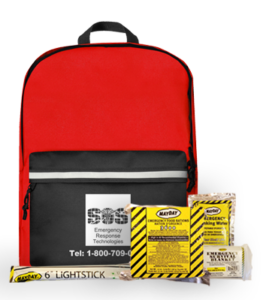
For a reliable and convenient solution, SOS Emergency Response Technologies offers specially designed 72-Hour Earthquake Kits tailored for both home, school, and workplace settings.

  • The SOS Emergency Preparedness Earthquake Kits meet current safety regulations and include essential emergency preparedness supplies for employee care during prolonged emergencies. These kits are available in wholesale quantities—ideal for offices, schools, and large organizations needing to prepare multiple staff across departments or locations.
  • The Home Grab-n-Go Earthquake Kits are compact, portable, and ready to use in a moment’s notice. Packed in easy-to-carry bags, these kits are perfect for families looking to stay prepared without the hassle of assembling their own.

All SOS 72-Hour Kits are built with high-quality, durable components and are updated regularly to reflect current safety standards. To view available options or request a quote for bulk orders, visit: sostech.ca/product-category/emergency-preparedness-kits

If you require multiple emergency preparedness kits or first aid kits for your workplace, please contact us for wholesale pricing at info@sostech.ca


Tsunami and Earthquake Awareness in British Columbia

BC is located in a seismically active zone, making earthquake and tsunami awareness a top priority. Coastal communities, in particular, should take additional steps to prepare:

  • Know your tsunami evacuation route and practice it with your family or coworkers
  • Ensure your emergency kits are stored above flood levels
  • Keep a “grab-and-go” kit ready near the exit of your home or office
  • Install emergency signage in the workplace to guide rapid evacuation
  • Participate in the Great British Columbia ShakeOut October 16th, 2025 at 10:16 am – the province-wide earthquake drill – scheduled annually in October.

Register your workplace or household and access educational resources at ShakeOutBC.ca.

Emergency Alerts: Stay Informed, Stay Safe

Sign up for BC Emergency Alerts on your mobile device and stay informed about wildfires, floods, extreme weather, and public safety threats. These alerts are issued by Emergency Management BC and provide real-time updates to help you respond appropriately.

Learn more and sign up at: Emergency Info BC

First Aid Training for Staff and Families

Emergency Preparedness also means being trained to respond when seconds matter. Whether at work, school, or home, First Aid and CPR training can save lives. SOS Emergency Response Technologies offers certified, up-to-date courses for:

  • Workplace First Aid
  • CPR & AED Training
  • Infant and Child First Aid
  • Emergency First Aid for family caregivers and community groups

Get your team trained today: sostech.ca > Alberta & British Columbia

emergency preparedness for schoolsEmergency Preparedness Is a Shared Responsibility

As we transition into the 2025–2026 school year, remember that Back to School Emergency Preparedness doesn’t stop at the school gate. It extends into homes, workplaces, and every part of the community. By building your emergency kits, practicing drills, and getting trained, you’re investing in safety, security, and peace of mind for everyone around you.

For trusted emergency kits and first aid training programs in British Columbia, visit sostech.ca.

Preventing Cumulative Stress: 5 Helpful Tips

Preventing Cumulative Stress: 5 Helpful Tips

Preventing Cumulative Stress

In the hustle and bustle of our daily lives, we often encounter various stressors that, over time, can accumulate and impact our well-being. This phenomenon, known as cumulative stress, is a result of multiple stress factors building up gradually. It’s essential to recognize that this type of stress can stem from various sources, such as an overwhelming workload, inefficient communication, struggles with feelings of powerlessness, or even the inability to unwind and relax properly. While a certain level of stress can act as a motivational force, pushing us to overcome challenges and achieve our goals, it’s crucial to understand that prolonged and unmanaged stress can negatively affect our emotional, cognitive, and physical health.

Recognizing the Signs of Cumulative Stress

The first step in preventing cumulative stress is to recognize its signs. These can vary widely among individuals, but some common indicators include:


  • Difficulty in concentrating, which can lead to decreased productivity and creativity.
  • Feelings of hopelessness, powerlessness, and cynicism, which can affect your outlook on life and work.
  • Trouble sleeping and experiencing chronic exhaustion, leading to a constant feeling of tiredness.
  • Increased irritability and anger, which can strain personal and professional relationships.
  • Chronic criticism and blaming of others, which can create a negative environment around you.
  • Withdrawal from social interactions, which can lead to a sense of isolation.
  • Experiencing depression and anxiety, which can severely impact your mental health.
  • Understanding these signs is a vital step in acknowledging the need for change and seeking ways to manage stress more effectively.

Strategies to Preventing Cumulative Stress 

Thankfully, there are several strategies that you can employ to mitigate the effects of cumulative stress. It’s important to incorporate these practices consistently to see a significant improvement:

1. Finding the Silver Lining: Perception plays a crucial role in how we handle stress. Try to spot the positive aspects in challenging situations. This doesn’t mean ignoring the problems but focusing on the learnings or growth opportunities they present.

2. Reassessing Thought Patterns: It’s easy to fall into a cycle of self-blame or negative thinking. Challenge these patterns by focusing on one or two positive aspects of your day that you have control over. This shift in perspective can significantly reduce stress levels.

3. Fostering Connections: Human connection is vital for building resilience. Stay connected with family, friends, and colleagues. Sharing your experiences and feelings with others can provide comfort and insights.

4. Physical Activity: Engaging in regular physical activity is a proven stress buster. Exercise releases chemicals in our body that are natural stress relievers, improving our mood and energy levels.

5. Seeking Support: Remember, you are not alone. Many organizations offer free and confidential support through employer benefits. Don’t hesitate to reach out for professional help if you feel overwhelmed.

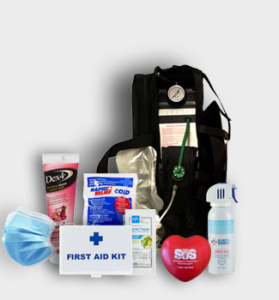
Our SOS Mental Health Kit Program is one of the effective ways in preventing cumulative stress, the program allows immediate access to Emergency Oxygen and basic first aid in times of crisis.


Mental Health Kit

SOS Mental Health Kit


  • Fully-automatic SOS oxygen unit
  • Red heart stress squeeze toy
  • 3-ply, Medical, Masks
  • Bio Med 3oz
  • First aid kit
  • Hand sanitizer packages
  • Instant ice packs
  • Glucose Tablets

The Power of Prevention

Preventing cumulative stress is not just about reacting to stressors but also about proactively creating a lifestyle that supports mental and physical health. This includes regular exercise, healthy eating, sufficient sleep, and mindful practices such as meditation or yoga. Moreover, developing a robust support system and learning effective communication skills can also play a significant role in preventing the buildup of stress.

Cumulative stress is a silent creeper that can significantly impact our quality of life. However, by understanding its signs and employing effective strategies, we can prevent it from taking over our lives. Remember, it’s about consistent practice and seeking help when needed. Taking care of our mental health is as important as taking care of our physical health. Let’s make stress management a priority and lead a more balanced and fulfilling life.

For more resources about preventing cumulative stress: HealthLink.bc.ca


What is ShakeOutBC and 4 Helpful Reasons to Participate

What is ShakeOutBC and 4 Helpful Reasons to Participate

What is ShakeOutBC and 4 Reasons to Participate

Earthquakes are a reality that many of us live with, especially for those residing in the Pacific Northwest. British Columbia, known for its scenic beauty and vibrant cities, is also a part of the Pacific Ring of Fire—a hotspot for seismic activity. Being prepared for emergencies is a basic responsibility that should not be taken lightly. Setting up the right infrastructure and making sure communities are in the know and prepared is key. That’s where ShakeOutBC comes in. They’re an organization that focuses on tackling these important aspects of being prepared.

What is ShakeOutBC?

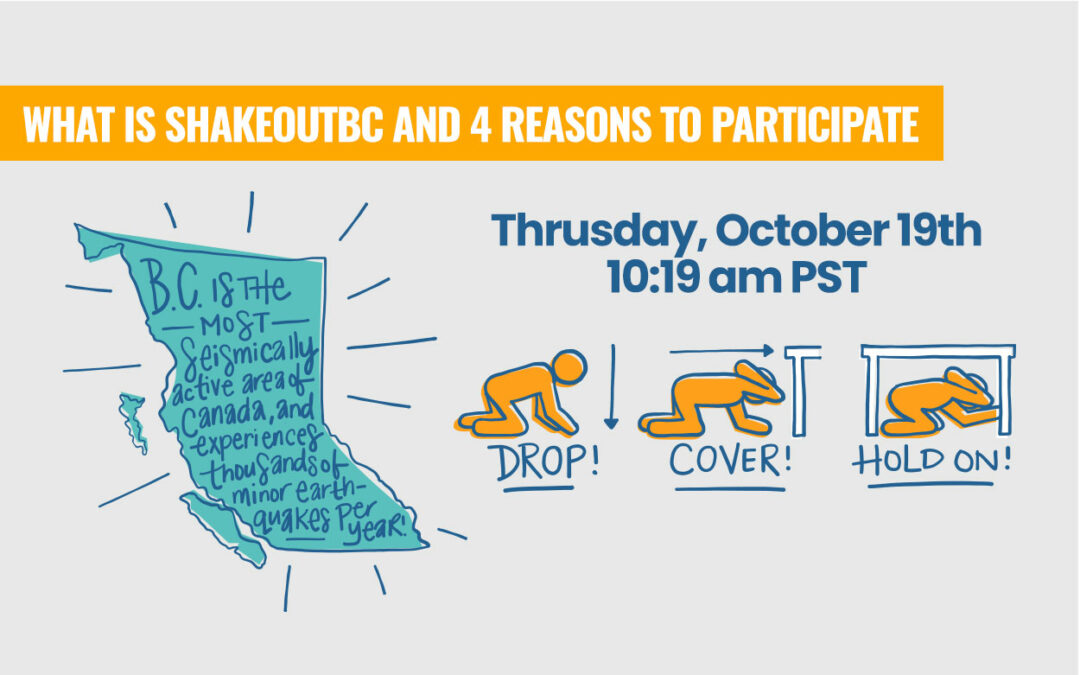
ShakeOutBC is an annual event aimed at educating the public about earthquake preparedness. Every October, individuals, communities, schools, businesses, and organizations across British Columbia participate in this event by practicing “Drop, Cover, and Hold On”, which is considered the best protective action to take during an earthquake. It’s a coordinated drill designed to simulate the actions one should take when an earthquake strikes.

This year’s ShakeOutBC is October 19th, 10:19 am, Register Now Here.

Why You Should Participate:

Knowledge is Power: The mere act of participating in a drill like ShakeOutBC can elevate your understanding of what to do during an earthquake. This knowledge can potentially save lives, reduce injuries, and limit property damage.

Creates a Preparedness Culture: When communities come together for events like ShakeOutBC, they foster a culture of preparedness. This shared concern and mutual aid spirit can be beneficial during actual emergencies.

Routine Reinforces Reaction: Regular participation in earthquake drills ensures that when an actual quake occurs, the trained reactions become almost instinctual, reducing panic and chaos.

Community Bonding: Events like these often serve as a platform for communities to come together, discuss, and create emergency plans. Neighbors can identify resources, vulnerable individuals, and share best practices with each other.

Benefits of the Event:

Increased Awareness: The Pacific Northwest is a region of breathtaking beauty, but it’s also an area rife with geological activity. Earthquakes, both minor and potentially devastating, are a part of life here. Understanding the very real risks associated with this seismic activity is crucial for residents. ShakeOutBC plays an instrumental role in not just emphasizing the significance of this threat but also in educating the community on how to respond and prepare.

Safety Skill Development: When an earthquake strikes, every second counts. The suddenness and violence of the shaking can disorient even the most seasoned residents, leading to panic and, consequently, to poor decision-making. Amidst the chaos, the need for instinctive, effective reactions becomes paramount. It is precisely this skillset that ShakeOutBC aims to inculcate through its emphasis on the drill, particularly on the “Drop, Cover, and Hold On” protocol.

Community Resilience: At the heart of any community is the intricate interplay between individuals, institutions, and shared resources. Disasters, particularly those of the magnitude of an earthquake, can strain these connections to breaking point. However, with collective preparedness and participation, such as that encouraged by ShakeOutBC, communities can not only withstand these challenges but bounce back even stronger. The concept of community resilience, while multifaceted, underscores the importance of communal effort in disaster preparedness and recovery.

Promotion of Preparedness Initiatives: While the focal point of ShakeOutBC is undoubtedly its annual earthquake preparedness drill, its reach and influence extend far beyond this singular event. The gathering momentum and visibility of ShakeOutBC have transformed it into a catalyst, creating openings for a variety of stakeholders to emphasize a holistic approach to disaster preparedness.

Saves Lives: In the realm of disaster preparedness, there’s no metric more significant than the preservation of life. Events like ShakeOutBC, at their core, strive towards this singular goal. While the event encompasses various facets, from drills to discussions, its most tangible and valuable outcome is its potential to save lives.

ShakeOutBC involves drills, discussions, and demonstrations, its ultimate value lies in its potential to save lives. Everyone who takes part is equipped with knowledge and training, becoming both protectors and protected. This demonstrates that when people come together and stay informed, it can truly be a matter of life or death.


SOS Emergency Response Technologies is the preferred vendor for ShakOutBC.

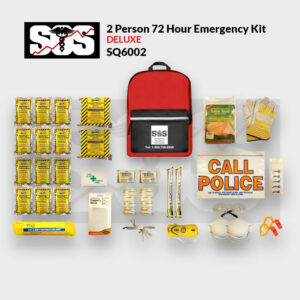
Summer Safety 72 Hour Emergency Kit

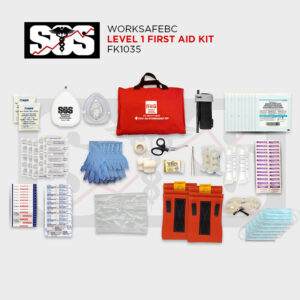
Summer Safety First Aid Kit

Summer Safety Car Emergency Kit