
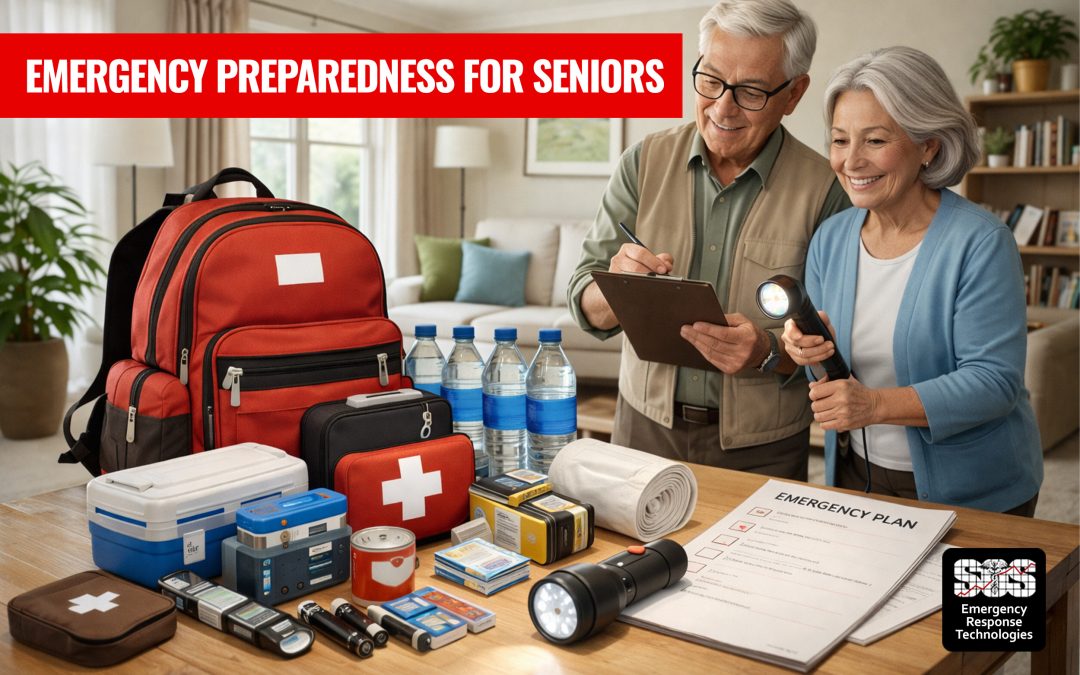
Emergency Preparedness for Seniors in BC
Why Emergency Preparedness for Seniors Matters in British Columbia
British Columbia’s geography and climate create unique emergency risks. Coastal earthquakes, interior wildfires, flooding in river valleys, and heavy winter storms can all disrupt daily life and isolate communities.
For seniors, these disruptions can mean:
- Difficulty accessing medical care
- Limited ability to evacuate quickly
- Increased risk from heat, cold, or poor air quality
- Greater emotional stress and confusion
- Dependence on others for basic needs
Strong emergency preparedness for seniors helps reduce these risks and gives older adults greater confidence and independence.
Building Relationships Before an Emergency Happens
The foundation of effective emergency preparedness for seniors begins with connection.
Taking time to get to know elderly neighbours builds trust and makes it easier to help when something goes wrong. Simple conversations can reveal important information about health needs, mobility challenges, family contacts, or pets.
Over time, these relationships create a natural support system. When seniors know they are not alone, they are more likely to accept help and prepare in advance.
Letting a neighbour know that you’re available in an emergency can bring real peace of mind.
Helping Seniors Prepare Emergency Kits at Home
One of the most important parts of emergency preparedness for seniors is having a reliable, easy-to-use emergency kit.
Many older adults want to be prepared but feel overwhelmed by the process.Offering to help them gather supplies makes preparation feel manageable instead of stressful.
A senior-focused emergency kit should include food, water, lighting, communication tools, personal hygiene items, and important documents. Just as importantly, it should contain medical supplies, extra medications, and clear health information.
Encouraging seniors to store their kits in accessible locations-rather than high shelves or
heavy containers-ensures they can use them independently when needed. Gradually building a kit together over time is often more effective than trying to do everything at once.
Letting a neighbour know that you’re available in an emergency can bring real peace of mind.
Medical Readiness and First Aid for Seniors
Medical preparedness is a critical part of emergency preparedness for seniors.
During major emergencies, access to healthcare may be delayed. Roads can be blocked, clinics may close, and
emergency services may be overwhelmed. Being prepared at home helps bridge that gap.
A well-stocked first aid kit allows seniors and caregivers to manage minor injuries and health issues safely. It also helps prevent small problems from becoming serious.
It’s also important to keep updated lists of medications, allergies, and medical conditions in a waterproof container.
This information is invaluable if emergency responders become involved.
If possible, having basic first aid training in the household or neighbourhood adds another layer of protection.
Encouraging seniors to store their kits in accessible locations-rather than high shelves or
heavy containers-ensures they can use them independently when needed. Gradually building a kit together over time is often more effective than trying to do everything at once.
Letting a neighbour know that you’re available in an emergency can bring real peace of mind.
Evacuation Planning and Mobility Support
Evacuation is often the most stressful part of an emergency, especially for seniors.
Concerns about transportation, personal belongings, medication, and pets can make older
adults hesitate to leave unsafe areas. Mobility challenges may further complicate the process.
Emergency preparedness for seniors should always include a clear, realistic evacuation plan.
This plan should consider how the person will travel, where they will go, and who will help them. Mobility aids, medical devices, and personal care items should be part of the plan from the start.
Early registration for local emergency alerts gives seniors more time to
prepare calmly instead of rushing under pressure.
When evacuation plans are discussed in advance, they become less frightening and more manageable.
How to Help Elderly Neighbours Stay Safe-Including Their Pets
In British Columbia, emergencies can happen with little warning. Wildfires, floods, winter storms, power outages, and earthquakes are all part of life in our province. While everyone is affected during these events, older adults often face greater risks.
That’s why emergency preparedness for seniors is so important.
Many seniors live alone, manage ongoing health conditions, or rely on medication and medical equipment. Some have limited mobility or no access to transportation. In stressful situations, these challenges can quickly become serious safety concerns.
As neighbours, friends, and community members, we can play a vital role in helping elderly residents stay prepared, protected, and supported—before, during, and after an emergency.
Supporting Seniors During an Emergency
When an emergency is happening, consistent support becomes essential.
Checking in regularly helps seniors feel connected and reassured. Whether it’s helping with supplies,
assisting with movement, monitoring health, or simply offering companionship, your presence matters.
Stress can worsen many medical conditions common among older adults. Remaining calm, patient,
and encouraging helps regulate both emotional and physical well-being.
If a senior shows signs of medical distress, emergency services should always be contacted immediately.
Strong emergency preparedness for seniors means being ready to act with confidence when needed.
Building Safer Communities Through Senior Preparedness
Emergency preparedness for seniors is not just about supplies-it’s about people.
In many parts of British Columbia, neighbours are the first line of support before professional help arrives. Communities that prepare together respond better, recover faster, and protect their most vulnerable members. By helping seniors prepare, plan, and feel supported, we create safer neighbourhoods for everyone.
Prepared seniors are more confident, more independent, and better equipped to face uncertainty.